
Why Alternative Assets?
Alternative Assets would constitute 10% of the total real estate market by 2030; expected to grow at 30% CAGR
during next decade. This asset classes will have annual yield rate (8% -10%) comparable to established rental
products and higher IRR (25%+) for early investors.
Also, these assets can improvise ROI through redevelopment/ repurposing of under or non- performing assets.
What are Alternative Assets?

Co-Living

Student Housing

Senior Housing

Nomadic Homes/Backpacker hostels

Co-Working
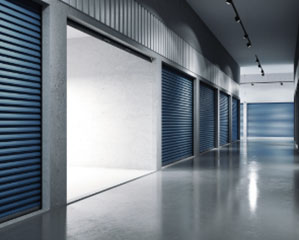
Private Storage spaces and others
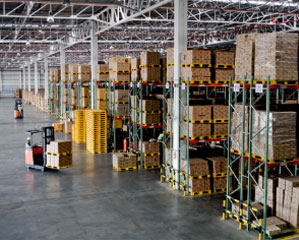
City distribution spaces
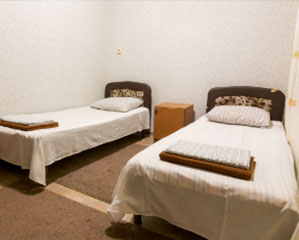
Micro Hotels
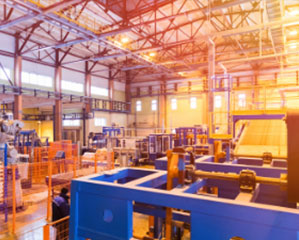
Co-Manufacturing
Benefit/ Opportunity for Whom?

Investors
(Angel investors,
VCs, PEs)

Developers

Landowners/Asset owners

Operators
(Entrepreneurs)
What can we do for you?
[Investors/ Developers/Landowners and Operators]
-

 Partnerships
-

 Project Funding
-

 M&A Services for Operator
-

 Investor Sales
-

 Development
Advisory: for assessing
D/S gap, pricing, sizing,
financial viability,
investment and others
Development
Advisory: for assessing
D/S gap, pricing, sizing,
financial viability,
investment and others
-

 Due Diligence
Services (for asset
owners/operators/investors: lease audit/utility audit/ physical check/regulatory audit/valuation/others
Due Diligence
Services (for asset
owners/operators/investors: lease audit/utility audit/ physical check/regulatory audit/valuation/others
-

 Best Practices
(for operator)
Best Practices
(for operator)
Case Studies
Case Study #1
Problem:
One residential development in Hosur Road, Bangalore was lying vacant for 3 years.
Solution:We conducted property and location assessment. We identified Co-Living Operator for the property.
Result:Currently the property is operating at impressive occupancy levels and owner is earning rental income for the asset.
Case Study #2
Problem:
Sales for an under-construction project was low.
Solution:Redesigned the block which was at basement level to coliving belonging to LL; and did LRD for the same.
Result:% of sales improved due to reduction of inventory, financial loand decreased due to LRD so the project profit
Case Study #3
Problem:
A commercial building was lying almost vacant for 20 years
Solution:Conducted detailed DD process including market analysis. We identified building design and specification which can be improvised for alternative uses – Co-Working, Co-Living and Retail.
Result:The building is in the process of leasing; It would be making yield of 9% (aligned to the market).
Case Study #4
Problem:
Grade A developer wanted to enter into Co-Living, Student Housing and Nomadic Homes at national level.
Solution:We conducted a detailed market study across all 3 asset classes including D/S gap, location/city/circuit identification, economic assessment, development model analysis, best practice assessment, financial analysis and risk assessment.
Result:Currently developer is building his portfolio for one asset class
Case Study #5
Problem:
Student Housing Project was having lesser revenue compared to other properties in the micro-market but occupancy was at par.
Solution:We conducted the DD Services for Student Housing project to understanding if all revenue was captured correctly. We found under reporting of occupancy.
Result:Revenue grew by 8% after placing improvised reporting system in place.
Case Study #6
Problem:
Residential development in peripheral location having low sales
Solution:Conducted market study and found senior housing has potential in the micro-market. Evaluated multiple operators and development model. Finally selected an operator based on his track record in the same city and selected sale model.